Lagos State And The Demolition Wave.
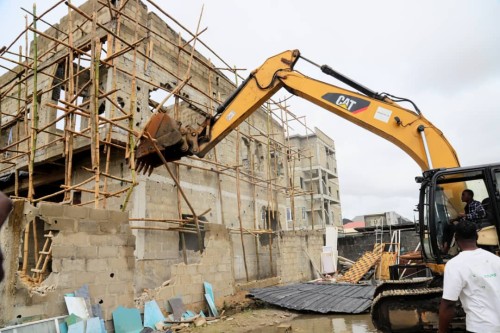
Lagos State & The Demolition Wave: What’s Happening
In recent years, Lagos State has intensified enforcement of building codes and urban‑planning regulations. According to a 2025 report by the state government, about 349 properties across the state were demolished in 2023 alone, due to violations like unsafe construction, lack of approvals, or non‑compliance with development plans. PM News Nigeria
Much of this enforcement is carried out by state bodies like the Lagos State Building Control Agency (LASBCA) and the state’s Ministry of Physical Planning & Urban Development — sometimes after earlier amnesty windows where owners were urged to regularize their buildings. The Guardian Nigeria+2Nairametrics+2
Recent demolitions have affected areas like Oworonshoki, where houses and structures were razed, allegedly due to lack of approved plans or encroachment on government‑acquired land. Vanguard News+2Vanguard News+2
Authorities argue that the demolitions are necessary — citing environmental protection, flood‑control, public safety, and enforcement of urban planning laws. The Guardian Nigeria+2TrustCrow360 Blog+2
🤔 Why Properties Get Demolished
Here are some of the common triggers for demolitions in Lagos:
Lack of formal approvals or building permits: Many houses in Lagos are built without getting the necessary permits or deviating from approved plans. TrustCrow360 Blog+2NaijaSpider Blog+2
Construction on restricted or government‑land (right of way, drainage channels, waterways, flood plains, government‑acquired plots) — subject to compulsory clearance. Nairametrics+2Vanguard News+2
Structural defects, unsafe buildings or substandard construction — promoting demolitions to prevent building collapses and loss of life. PM News Nigeria+2The Guardian Nigeria+2
Violation of official zoning law or master‑plan rules — mixing incompatible land use, unauthorized modifications, or unplanned growth. TrustCrow360 Blog+1
The state maintains that demolitions are part of enforcing physical‑planning laws, ensuring safe housing, and protecting drainage, waterways, and environment. The Guardian Nigeria+2PM News Nigeria+2
🏚️ The Human & Real‑Estate Impact
The demolitions — while sometimes necessary — come with serious consequences, especially for ordinary residents and small‑time property‑owners:
Loss of homes and investments: Many homeowners lose property they built over years or decades; some got little or no compensation. Eyewitnesses and demolition‑victims in places like Oworonshoki describe abrupt eviction, sometimes at night, with no chance to salvage their belongings. Vanguard News+2Vanguard News+2
Displacement and social disruption: Families are forced to relocate, often with inadequate alternatives. Reports mention children disrupted from schooling, loss of community ties, and psychological stress. Vanguard News+2PM News Nigeria+2
Devaluation of properties nearby: When demolitions become frequent in an area, investor confidence drops; property prices and rentals in that zone decline, or people avoid buying/letting — affecting the wider real‑estate market. NaijaSpider Blog+1
Reduced housing supply & increased affordability pressure: Every demolished unit removes housing stock from a city already struggling with shortage — pushing demand upward in safer, gated or “safe‑zone” neighbourhoods and making rents and property prices rise dramatically. NaijaSpider Blog+1
Potential exploitation & land‑grabbing concerns: Some victims and human‑rights advocates believe certain demolitions are driven less by safety or planning, and more by lucrative redevelopment deals — clearing land for upscale estates or commercial projects. Vanguard News+2Daily Post+2
⚖️ Legal, Ethical & Governance Challenges
While the government defends demolitions on safety and planning grounds, critics raise these concerns:
Due process and transparency: Some demolitions reportedly happened even when court injunctions were in place, or without formal notice or adequate compensation. In one report, the government claimed it had not received court orders even though residents argued otherwise. Vanguard News+2Vanguard News+2
Compensation & resettlement issues: Promises of compensation often happen after public outcry; even then, the process is described as “selective, opaque, and insufficient” by some affected communities. Vanguard News+2Vanguard News+2
Human‑rights concerns: Forced evictions, displacement without alternatives, and loss of livelihoods have sparked accusations of social injustice, especially for low- and middle-income families. Vanguard News+2The Guardian Nigeria+2
Questionable motives — redevelopment over welfare: Many fear that cleared lands are handed over to private developers for upscale estates, rather than used for public good, social housing, or community‑driven renewal. Vanguard News+2ThisDayLive+2
A landmark court case from 2017 even declared some demolitions illegal — holding state authorities to account for failing to follow due process and denying housing‑rights protections. Vanguard News+1
🧭 What Residents & Potential Buyers Should Know
If you live in Lagos or plan to buy property there — here’s what to keep in mind:
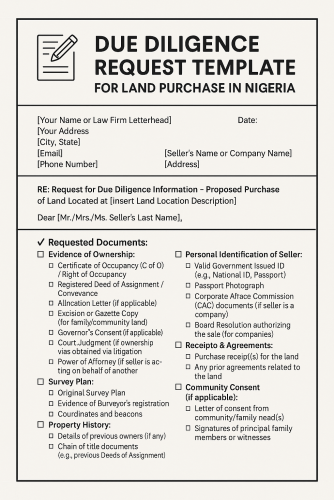
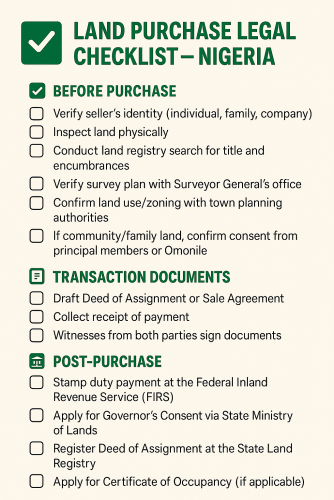
Always get proper planning permits / building approvals. Structures without them are at risk of demolition.
Verify land titles and ensure the land isn’t government‑acquired or on right-of-way, drainage, or flood‑plain zones. These are commonly targeted for clearance.
Before investing heavily on property improvements, check local zoning and master‑plan compliance.
Keep building documentation (permits, approvals, plans), even after construction — you might need them to avoid demolition or claim compensation.
Be aware of broader redevelopment plans in your area (waterways unblocking, road expansion, urban renewal) — know the risks early.
If affected by demolition, demand transparency, fair compensation, and consider legal advice — there are precedents where courts ruled demolitions illegal when due process was ignored.
📰 The Broader Conversation: Renewal vs Rights
Lagos is a megacity under pressure — flooding, overcrowding, traffic, unsafe housing, environmental degradation. On paper, demolitions to enforce regulations, unblock waterways, and upgrade infrastructure seem rational and necessary.
But the flip side is stark: thousands of vulnerable residents, long‑term homeowners, informal settlers — often poor — bear the brunt. When demolitions happen without adequate notice, fair compensation, or resettlement plans, they turn into tragedies.
The challenge for Lagos — and Nigeria broadly — is to strike a balance: enforce laws and build a sustainable city, without sacrificing the rights, dignity, and welfare of ordinary Lagosians.
Lagos State & The Demolition Wave: What’s Happening
In recent years, Lagos State has intensified enforcement of building codes and urban‑planning regulations. According to a 2025 report by the state government, about 349 properties across the state were demolished in 2023 alone, due to violations like unsafe construction, lack of approvals, or non‑compliance with development plans. PM News Nigeria
Much of this enforcement is carried out by state bodies like the Lagos State Building Control Agency (LASBCA) and the state’s Ministry of Physical Planning & Urban Development — sometimes after earlier amnesty windows where owners were urged to regularize their buildings. The Guardian Nigeria+2Nairametrics+2
Recent demolitions have affected areas like Oworonshoki, where houses and structures were razed, allegedly due to lack of approved plans or encroachment on government‑acquired land. Vanguard News+2Vanguard News+2
Authorities argue that the demolitions are necessary — citing environmental protection, flood‑control, public safety, and enforcement of urban planning laws. The Guardian Nigeria+2TrustCrow360 Blog+2
🤔 Why Properties Get Demolished
Here are some of the common triggers for demolitions in Lagos:
Lack of formal approvals or building permits: Many houses in Lagos are built without getting the necessary permits or deviating from approved plans. TrustCrow360 Blog+2NaijaSpider Blog+2
Construction on restricted or government‑land (right of way, drainage channels, waterways, flood plains, government‑acquired plots) — subject to compulsory clearance. Nairametrics+2Vanguard News+2
Structural defects, unsafe buildings or substandard construction — promoting demolitions to prevent building collapses and loss of life. PM News Nigeria+2The Guardian Nigeria+2
Violation of official zoning law or master‑plan rules — mixing incompatible land use, unauthorized modifications, or unplanned growth. TrustCrow360 Blog+1
The state maintains that demolitions are part of enforcing physical‑planning laws, ensuring safe housing, and protecting drainage, waterways, and environment. The Guardian Nigeria+2PM News Nigeria+2
🏚️ The Human & Real‑Estate Impact
The demolitions — while sometimes necessary — come with serious consequences, especially for ordinary residents and small‑time property‑owners:
Loss of homes and investments: Many homeowners lose property they built over years or decades; some got little or no compensation. Eyewitnesses and demolition‑victims in places like Oworonshoki describe abrupt eviction, sometimes at night, with no chance to salvage their belongings. Vanguard News+2Vanguard News+2
Displacement and social disruption: Families are forced to relocate, often with inadequate alternatives. Reports mention children disrupted from schooling, loss of community ties, and psychological stress. Vanguard News+2PM News Nigeria+2
Devaluation of properties nearby: When demolitions become frequent in an area, investor confidence drops; property prices and rentals in that zone decline, or people avoid buying/letting — affecting the wider real‑estate market. NaijaSpider Blog+1
Reduced housing supply & increased affordability pressure: Every demolished unit removes housing stock from a city already struggling with shortage — pushing demand upward in safer, gated or “safe‑zone” neighbourhoods and making rents and property prices rise dramatically. NaijaSpider Blog+1
Potential exploitation & land‑grabbing concerns: Some victims and human‑rights advocates believe certain demolitions are driven less by safety or planning, and more by lucrative redevelopment deals — clearing land for upscale estates or commercial projects. Vanguard News+2Daily Post+2
⚖️ Legal, Ethical & Governance Challenges
While the government defends demolitions on safety and planning grounds, critics raise these concerns:
Due process and transparency: Some demolitions reportedly happened even when court injunctions were in place, or without formal notice or adequate compensation. In one report, the government claimed it had not received court orders even though residents argued otherwise. Vanguard News+2Vanguard News+2
Compensation & resettlement issues: Promises of compensation often happen after public outcry; even then, the process is described as “selective, opaque, and insufficient” by some affected communities. Vanguard News+2Vanguard News+2
Human‑rights concerns: Forced evictions, displacement without alternatives, and loss of livelihoods have sparked accusations of social injustice, especially for low- and middle-income families. Vanguard News+2The Guardian Nigeria+2
Questionable motives — redevelopment over welfare: Many fear that cleared lands are handed over to private developers for upscale estates, rather than used for public good, social housing, or community‑driven renewal. Vanguard News+2ThisDayLive+2
A landmark court case from 2017 even declared some demolitions illegal — holding state authorities to account for failing to follow due process and denying housing‑rights protections. Vanguard News+1
🧭 What Residents & Potential Buyers Should Know
If you live in Lagos or plan to buy property there — here’s what to keep in mind:
Always get proper planning permits / building approvals. Structures without them are at risk of demolition.
Verify land titles and ensure the land isn’t government‑acquired or on right-of-way, drainage, or flood‑plain zones. These are commonly targeted for clearance.
Before investing heavily on property improvements, check local zoning and master‑plan compliance.
Keep building documentation (permits, approvals, plans), even after construction — you might need them to avoid demolition or claim compensation.
Be aware of broader redevelopment plans in your area (waterways unblocking, road expansion, urban renewal) — know the risks early.
If affected by demolition, demand transparency, fair compensation, and consider legal advice — there are precedents where courts ruled demolitions illegal when due process was ignored.
📰 The Broader Conversation: Renewal vs Rights
Lagos is a megacity under pressure — flooding, overcrowding, traffic, unsafe housing, environmental degradation. On paper, demolitions to enforce regulations, unblock waterways, and upgrade infrastructure seem rational and necessary.
But the flip side is stark: thousands of vulnerable residents, long‑term homeowners, informal settlers — often poor — bear the brunt. When demolitions happen without adequate notice, fair compensation, or resettlement plans, they turn into tragedies.
The challenge for Lagos — and Nigeria broadly — is to strike a balance: enforce laws and build a sustainable city, without sacrificing the rights, dignity, and welfare of ordinary Lagosians.